Beyond Suffrage: Recognising Diverse Voices in the Struggle for Gender Equality
June 10th, 2018 was a particularly poignant day for me. Being asked to take part in the Processions march and television broadcast to celebrate the centenary of female suffrage, I couldn’t help but feel the weight of the achievement we were honouring, yet everyone gathered knew there was still much further to go. What struck me most about the fight for female suffrage was that it affected half of the human population, yet at the time, the suffragettes were seen as a radical minority group of privileged women, and they did not have universal support, even from women initially.
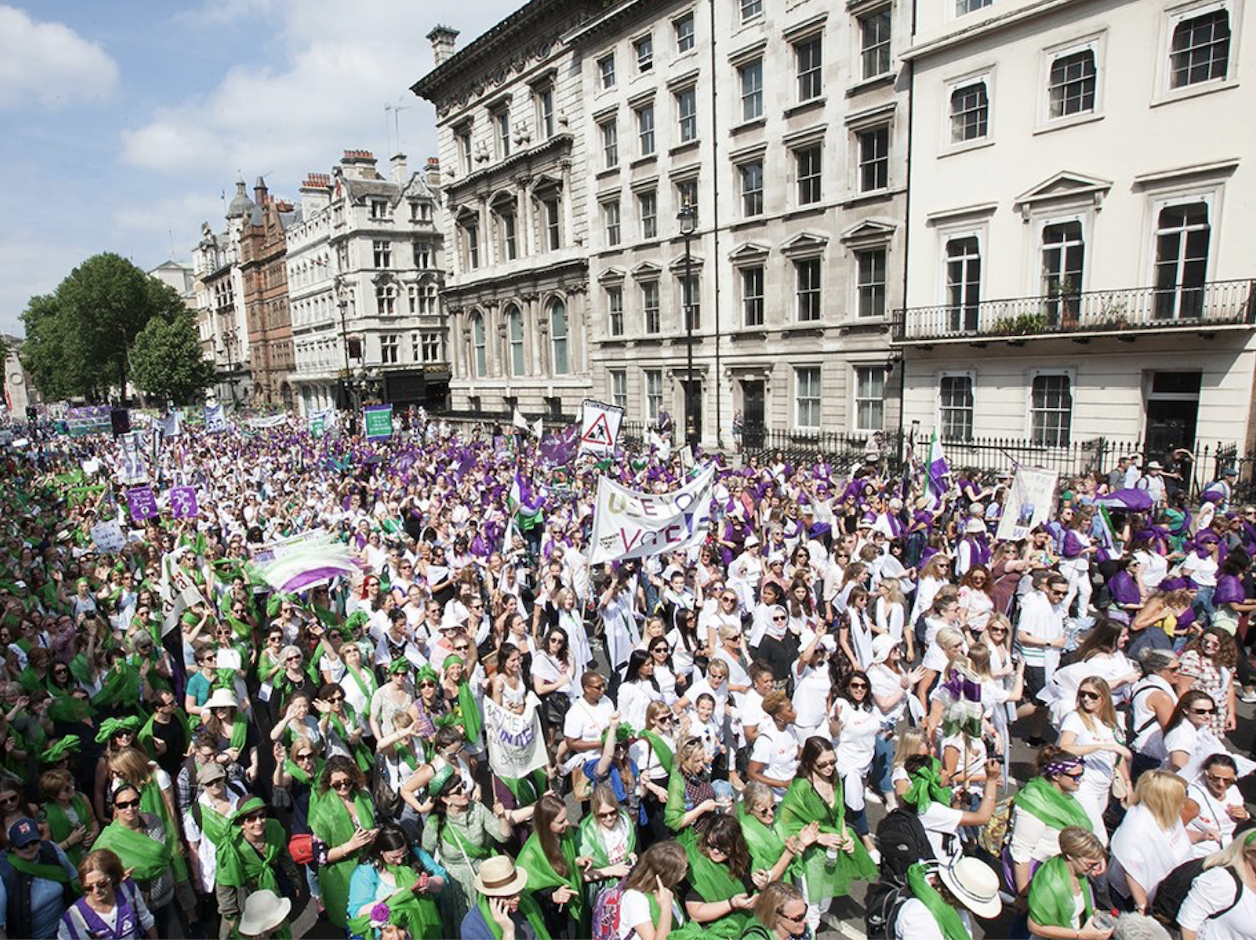
I contrasted that with the present day, where I was among a diverse group of women coming together to celebrate a massive political and cultural shift, recognising that women should have the right to vote for our elected representatives just like their fathers, husbands, brothers, and in some cases, sons. I was both proud and elated to take part in the two-hour BBC broadcast covering the event. I remember the magical sight of tens of thousands of women filling central London, wearing purple, white, and green scarves, many carrying beautiful handmade banners. The Processions march was not an exclusive London-centric event, but a nationally inclusive, vibrant gathering that attracted hundreds of thousands of women and male allies across the country.
As I celebrated this historic milestone in equality, I couldn’t help but reflect that, despite a century passing, there are still many milestones we have yet to achieve, in career opportunities, reproductive rights, and safety from exploitation and violence. I have always been curious about the world, a curiosity that has led me to embrace both travel and reading. So when I was asked to join the Processions march, I wanted to explore more deeply the intersectionality of the struggle for gender equality.
The version of history I was taught included brave women like Emmeline Pankhurst and Emily Wilding Davison, who challenged the political establishment here in the UK. However, the history we are most often told omits the pivotal role played by women of colour in the fight for gender equality, a cause that belongs to no single ethnicity, social class, or nation.
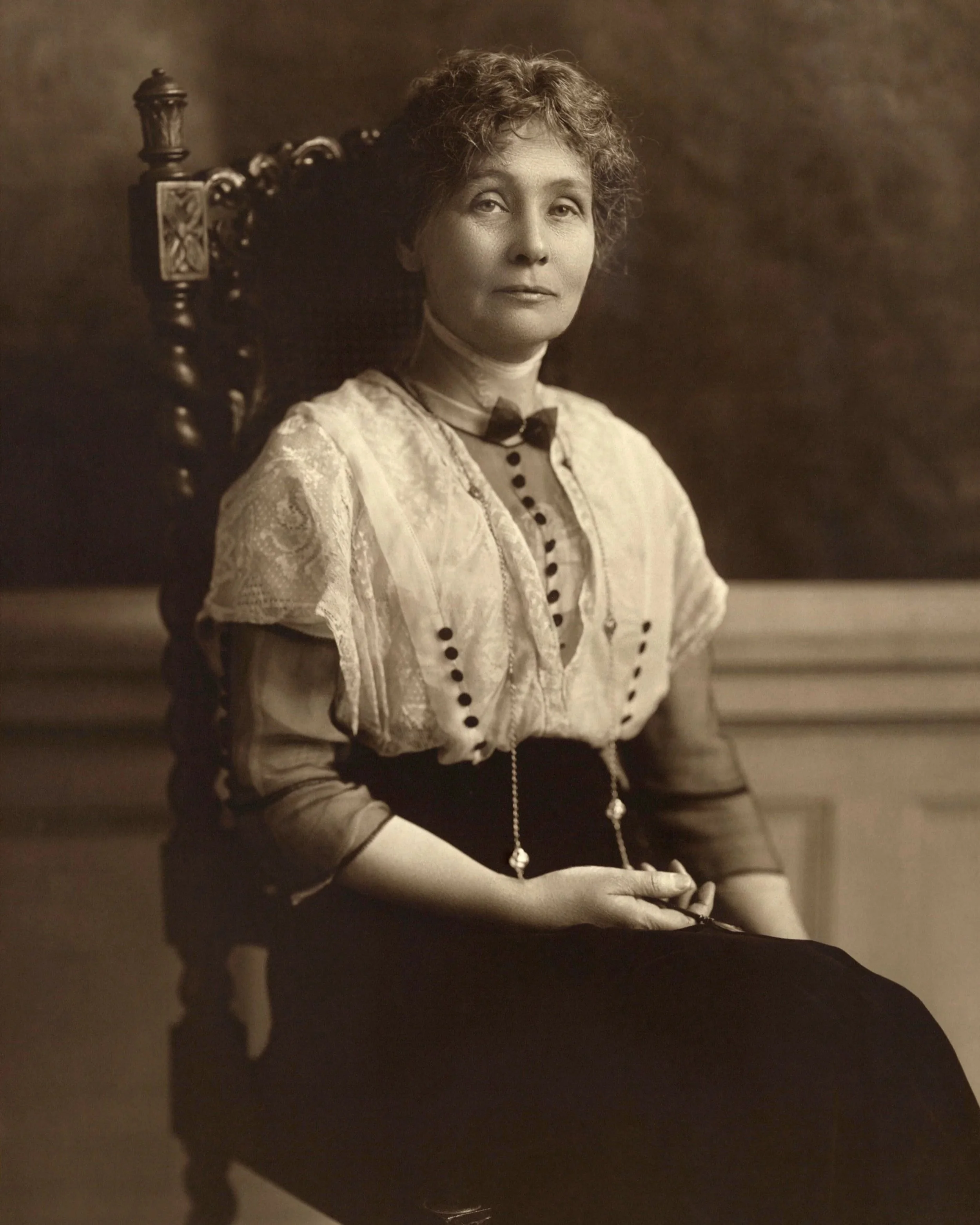
Emmeline Pankhurst
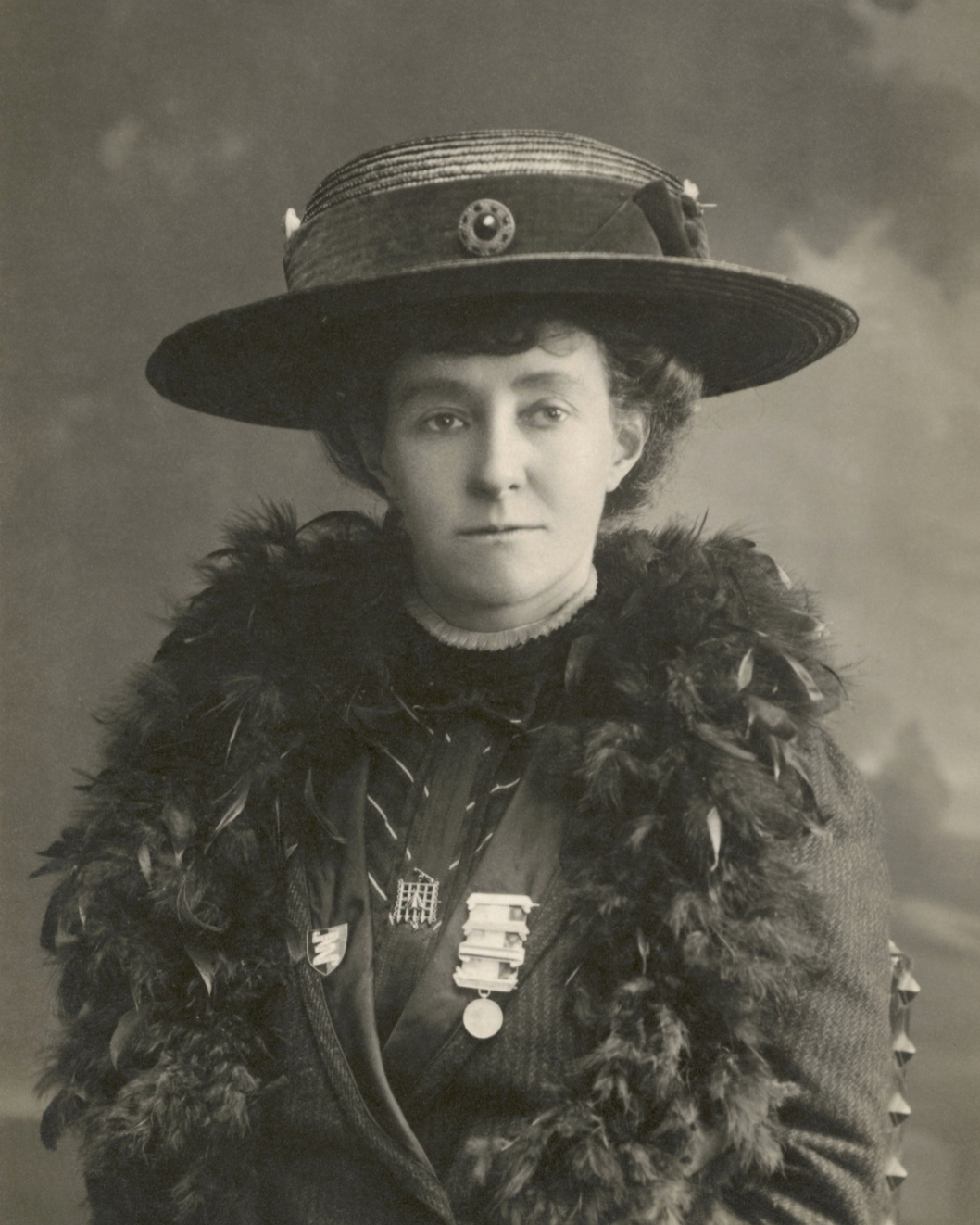
Emily Wilding Davison
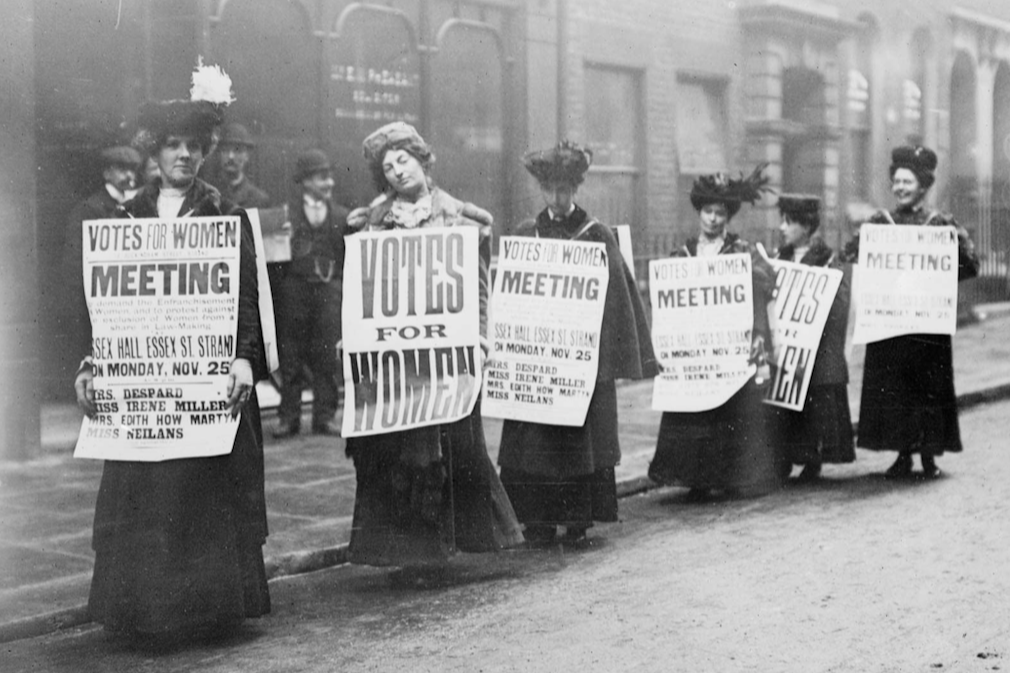
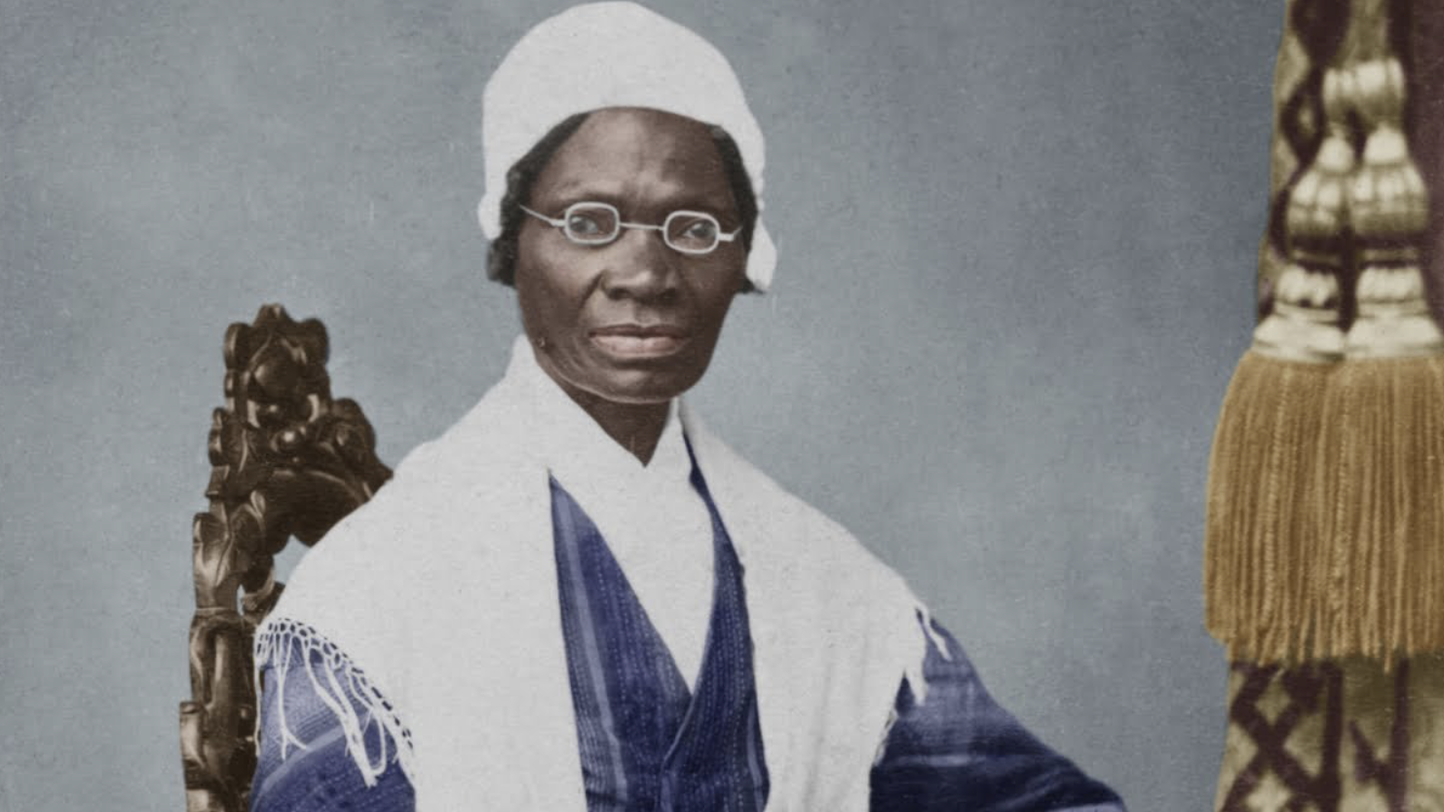
Sojourner Truth
I think particularly of women like Sojourner Truth in the United States, a former slave and abolitionist who, after surviving the ordeal of being treated as property by men, became a force in the movement for equality for all women in the US. I imagine that her lived experience, escaping slavery and then fighting for abolition, gave her a unique perspective and urgency in addressing gender equality. The role of women in the Indian independence movement, who also fought for female suffrage and equality, is another historic struggle we must not allow to be erased or forgotten. The stories of Ambujammal Desikachari née Srinivasa Iyengar, Purnima Banerjee, and Kamaladevi Chattopadhyay are rarely told, with the focus often reserved for men like Mahatma Gandhi, Jawaharlal Nehru, and Subhas Chandra Bose. Few people are aware that the struggle for gender equality coincided with the independence movement, and while the latter was achieved for India, the former continues.
Many of our struggles for equality are far more complex than the one-dimensional narratives we are often given. Reflecting on the achievements of the feminist movement, it is vital that we take an intersectional approach. As we bring more women and men under the banner of feminism, we must remember that the movement is ultimately about equality, and that must not exclude anyone, regardless of their social background, ethnicity, faith, sexual orientation, gender identity, age, or any form of disability they may have.
Equality and fairness have become points on our moral compass, guiding us toward the society we seek to build. Milestones like female suffrage, the abolition of slavery, and same-sex marriage have brought us closer along this journey, and the values of equality and fairness are inseparable from British values. We all acknowledge there is further to go, but the Procession and the support it received convinced me that the fight for equality is not, and should never be, a minority movement or fringe concern.
With all of us marching together, who knows what milestones will be celebrated in the next 100 years, thanks to the stands we are taking today?
June Sarpong